

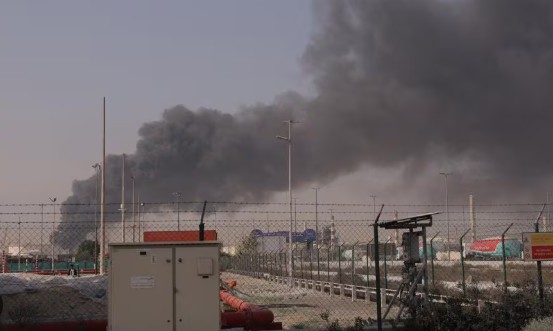
In a major escalation of Middle East conflict, the coordinated military strikes on Iran by United States and Israel, targeting military infrastructure and leadership locations including the office of Iran supreme leader Ayatollah Khamemei, who was killed in the strike has sent shockwave across the globe.
Iran retaliated with missile and drone attacks on Israel, US bases and assets in countries like UAE, Qatar, and Kuwait. Explosions have also been reported from cities like Dubai, Doha, and Manama. The conflict has already crossed Iran’s borders and extended to Lebanon targeting Hezbollah positions drawing multiple fronts into the crisis.
Civilian casualties and damage have been reported on both sides, resulting infrastructure disruptions across the Gulf. All major airports, particularly in Dubai and other Gulf air transit hubs, have faced closures and thousands of flight cancellations due to missile and drone activity. Civil aviation advisories have been issued, highlighting risks to civilian flights over Middle Eastern airspace. Simultaneously governments of different countries have issued warnings and advisories for their citizens in affected regions.
In obvious political fallout regional alignments are shifting. Gulf nations, including Saudi Arabia and the UAE, are condemning Iran’s strikes on their territories, causing diplomatic strain and heightened security postures. Russia has publicly condemned the strikes, warning of potential catastrophe.
Energy markets, trade routes and investment confidence can be adversely affected resulting negative economic shockwaves.
As of now the situation is volatile with very high risk of further escalation and complex geopolitical fallout.