

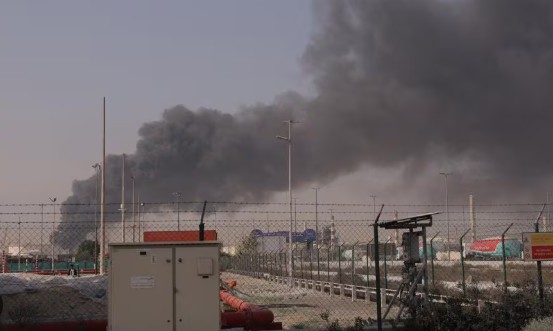
The ongoing Iran conflict has a far-reaching impact on India. A major impact is on energy & economy. India relies heavily on Middle East oil. 55% of India’s crude and a large share of LNG requirements are imported through Strait of Hormuz, a chokepoint now threatened by conflict. Crude oil prices are now significantly higher pressuring India’s import bill and inflation leading to higher fuel and cooking gas prices for retail consumers.
On the other-hand increased inflation results in wide trade deficit, aggravating the negative pressure on Indian rupee in the context of recent slip of INR-vs-USD.
Indian capital market is also reacting negatively because of geopolitical uncertainty. Higher oil prices and risk aversion on the part of FIIs and DIIs leading to outflow of funds from Indian equity market to safer assets like gold and other precious metals. Sector-wise aviation, energy, and freight are facing the challenge of higher cost pressure. However, the defense sector is selectively witnessing higher demands due to current geopolitical insecurity. Trade, shipping, and exports are under pressure due to higher freight and insurance cost. Transoceanic cargo shipment is slowed down/redirected pushing the cost upward. In the context of strategic and geopolitical consideration India is keeping ties with all parties, urging peace and restraint while refraining from taking side publicly. However, the ongoing projects like Chabahar Port and regional transport corridors might face uncertainty if instability persists.